Why dive the Gilis
Why dive the Gilis
Where the world learns to dive
The three Gili Islands — Trawangan, Air and Meno — off the coast of Lombok are one of the world's great places to take your first breath underwater. The water is warm and clear, the reefs start close to shore, and the islands are packed with long-established, professional dive centres, which is why so many travellers get certified or try diving here.
Turtles, almost guaranteed
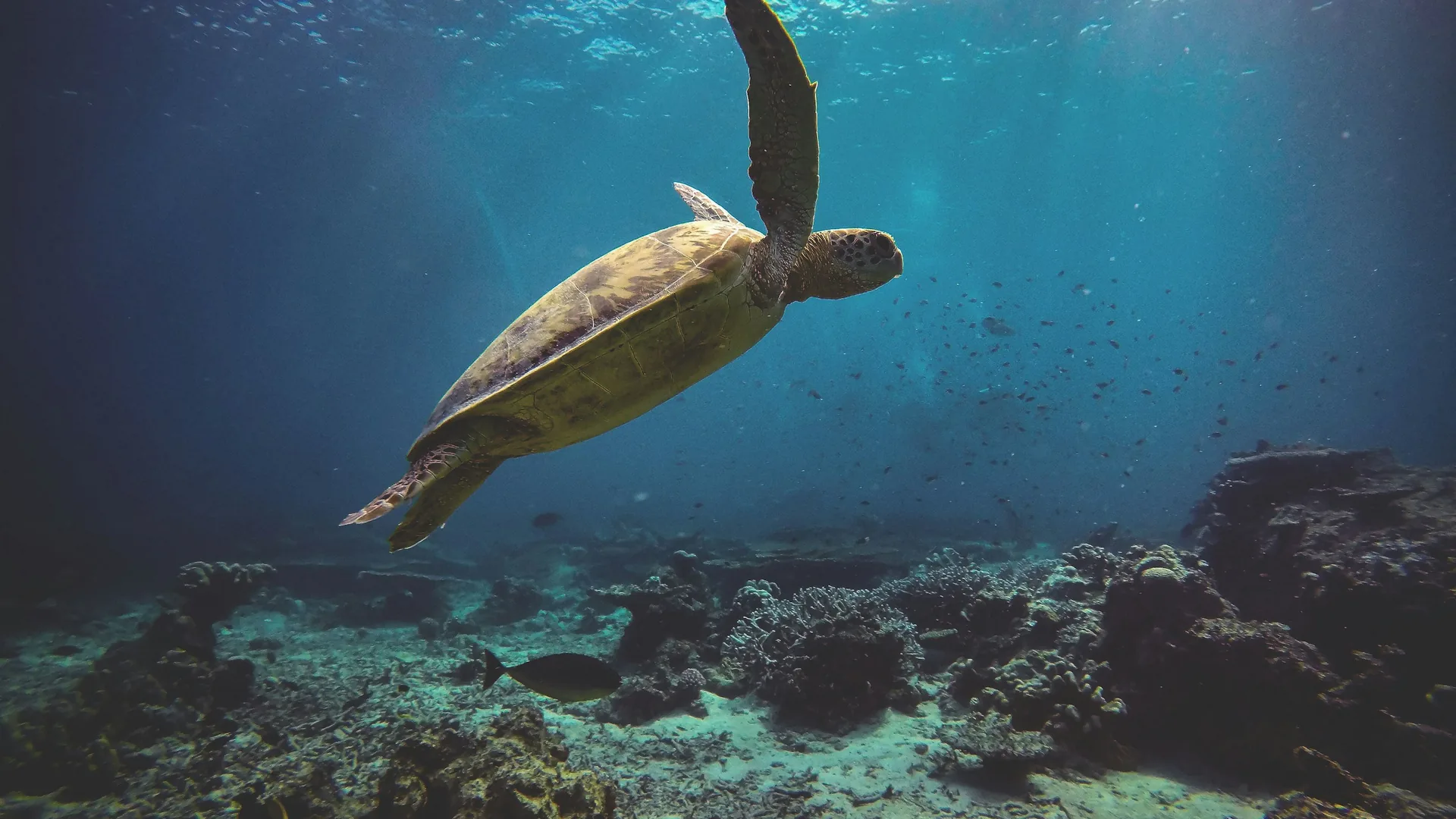
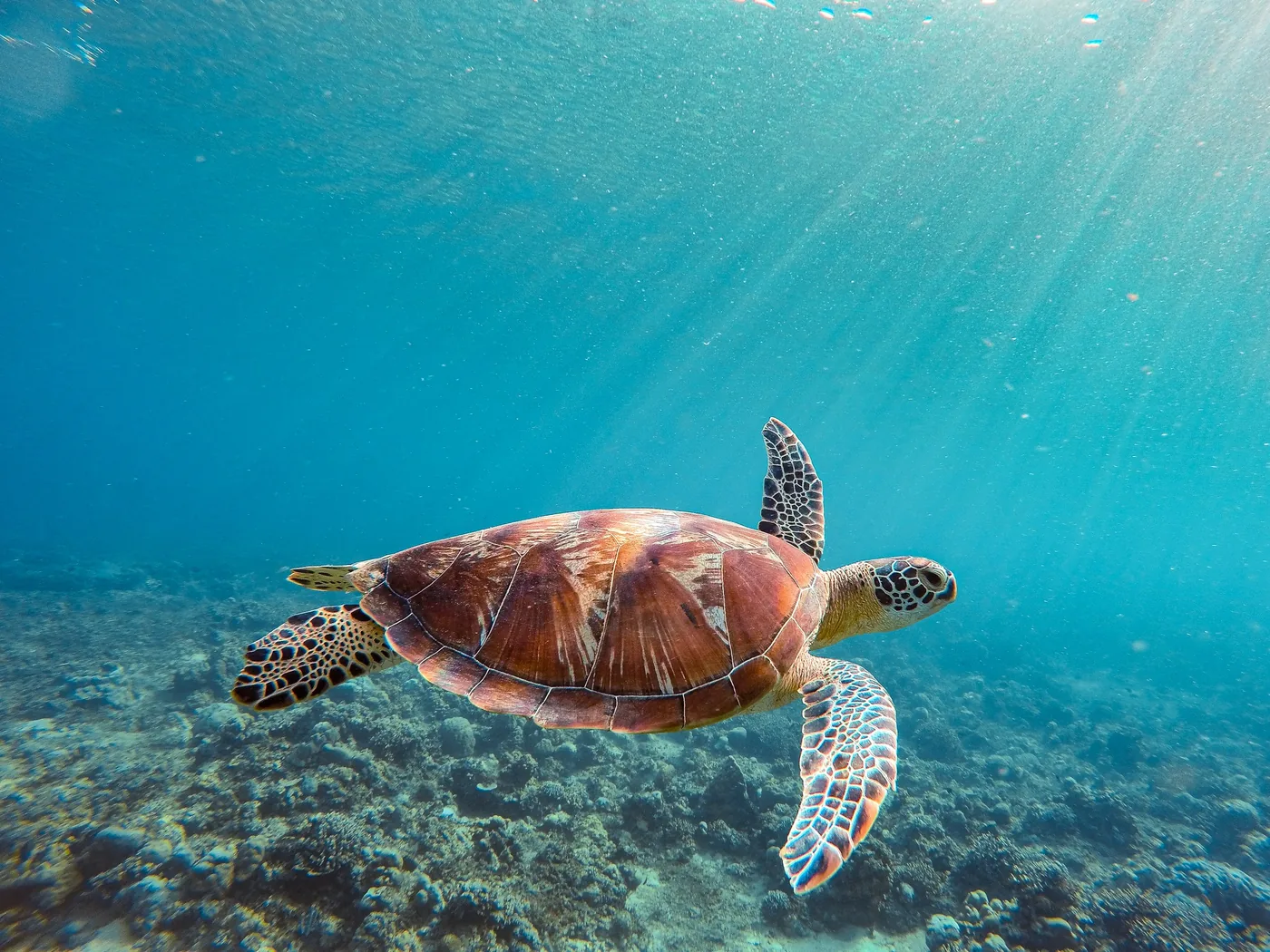
The Gilis are famous for sea turtles. Green and hawksbill turtles graze the reefs and rest in the shallows in genuinely high numbers, and encountering one gliding past on your first dive is common rather than lucky. Add reef fish, the odd blacktip reef shark and healthy coral, and it's a spectacular introduction to the underwater world.
No experience needed
A 'Discover Scuba' dive is designed for people who've never dived. After a short theory briefing and a confined-water skills session, a qualified instructor takes you on a real, shallow ocean dive, staying with you the whole time. You don't need a certification or prior experience — just to be reasonably comfortable in water.
Your first dive, logged
Your first dive, logged
A Discover Scuba day is a gentle build-up from classroom to reef. Every centre runs it a little differently, but the day usually goes like this.
Briefing and theory
At the dive centre an instructor runs through the basics: how the gear works, how to breathe, equalise and clear your mask, and the simple hand signals you'll use underwater. It's straightforward and reassuring, and there's no exam.
Confined-water skills
You practise the key skills in shallow, calm water first — breathing through the regulator, clearing your mask, recovering it — until they feel natural. This is where any nerves settle, before you head to the reef.
Kitting up
You're fitted with a wetsuit, mask, fins, tank and buoyancy jacket, and the instructor checks everything with you. Then it's a short boat ride or shore entry to the dive site.
The ocean dive
The main event: a slow, guided descent to around 12 metres over the reef, staying close to your instructor. You drift gently along, watching turtles, reef fish and coral, while the instructor manages depth and time. It typically lasts around 30–40 minutes.
Surface and log it
Back on the surface you're usually buzzing. Many people find one dive isn't enough and add a second, or go on to a full Open Water course. Either way, you've logged your first dive on one of the world's best beginner reefs.
The reefs & the islands
The reefs & the islands
The three Gilis share the same warm sea but each has its own feel. Here's what to know about the diving and choosing an island.
Gili Trawangan
The largest and liveliest Gili, 'Gili T' has the most dive centres, the widest choice of courses and a busier social scene. It's the easiest place to book a Discover Scuba dive or a course at short notice, with dive sites a short boat ride away.
Gili Air & Gili Meno
Gili Air is quieter and more laid-back but still has good dive centres; Gili Meno is the smallest and sleepiest, best for a get-away-from-it-all trip. All three share the same reef system and turtle-rich waters, so the diving is excellent from any of them.
The reefs and marine life
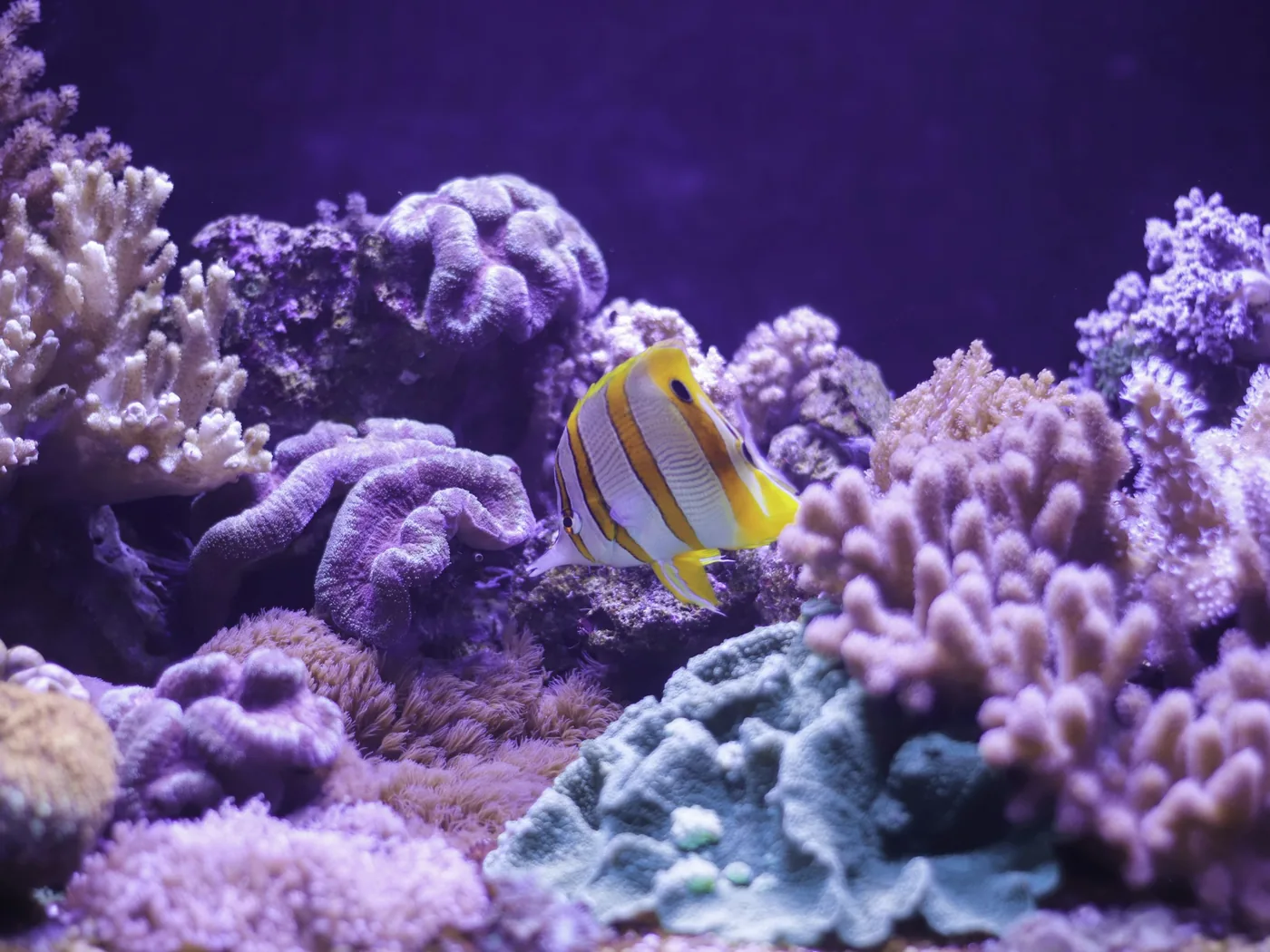
The reefs ring the islands and slope from shallow coral gardens to deeper walls and drift sites. Beginners dive the gentle, shallow sites; the highlights are the sea turtles, plus reef fish, cuttlefish, moray eels, the occasional blacktip reef shark and the famous underwater statues off Gili Meno.
Getting there
The Gilis are reached by fast boat from Bali (a few hours) or a short hop from Lombok. The islands are car-free — you get around on foot, by bicycle or by pony cart — so the dive centres are all an easy walk from the harbour and the beaches.
Under the Gili reefs, in pictures
Under the Gili reefs, in pictures
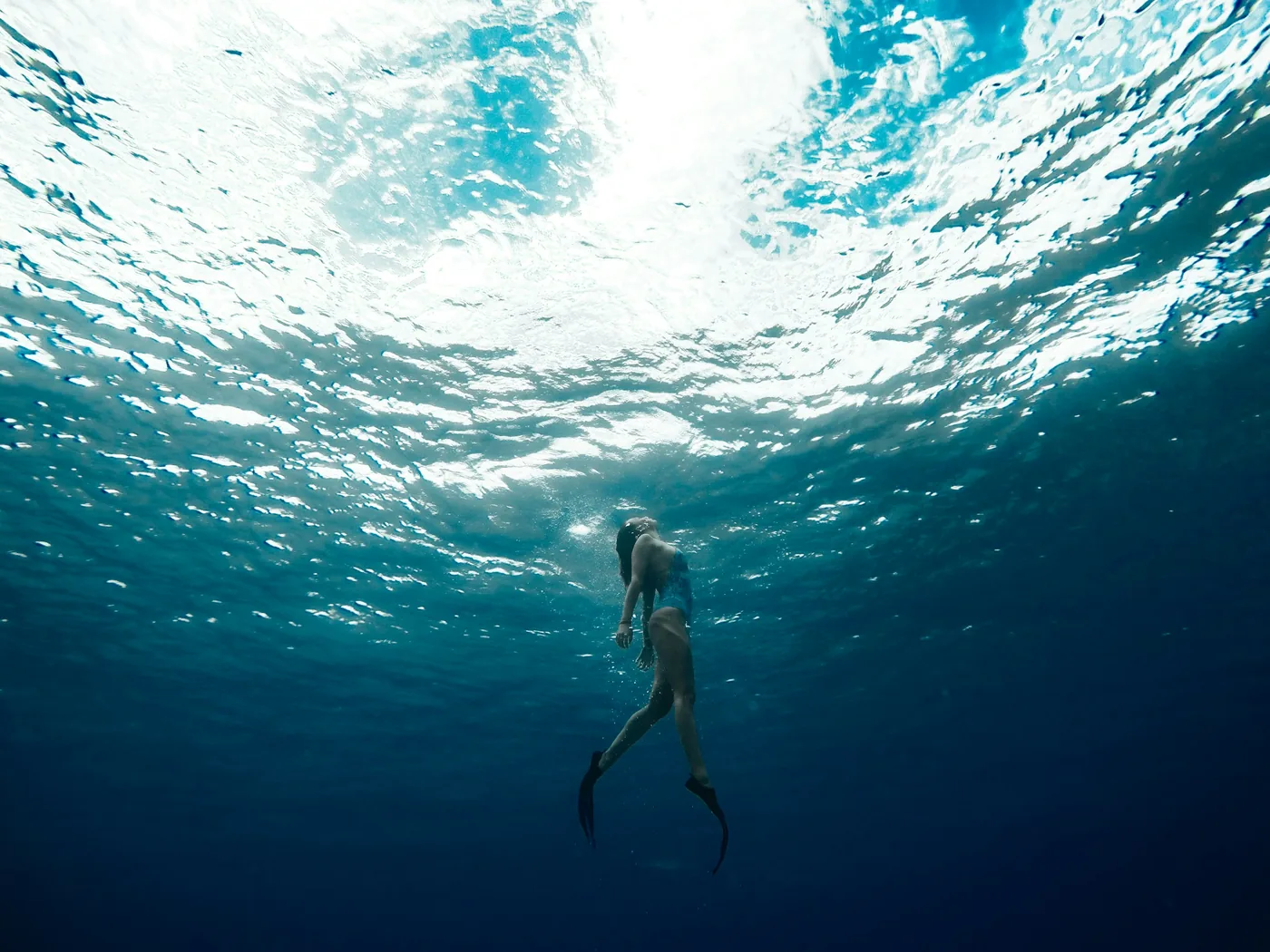
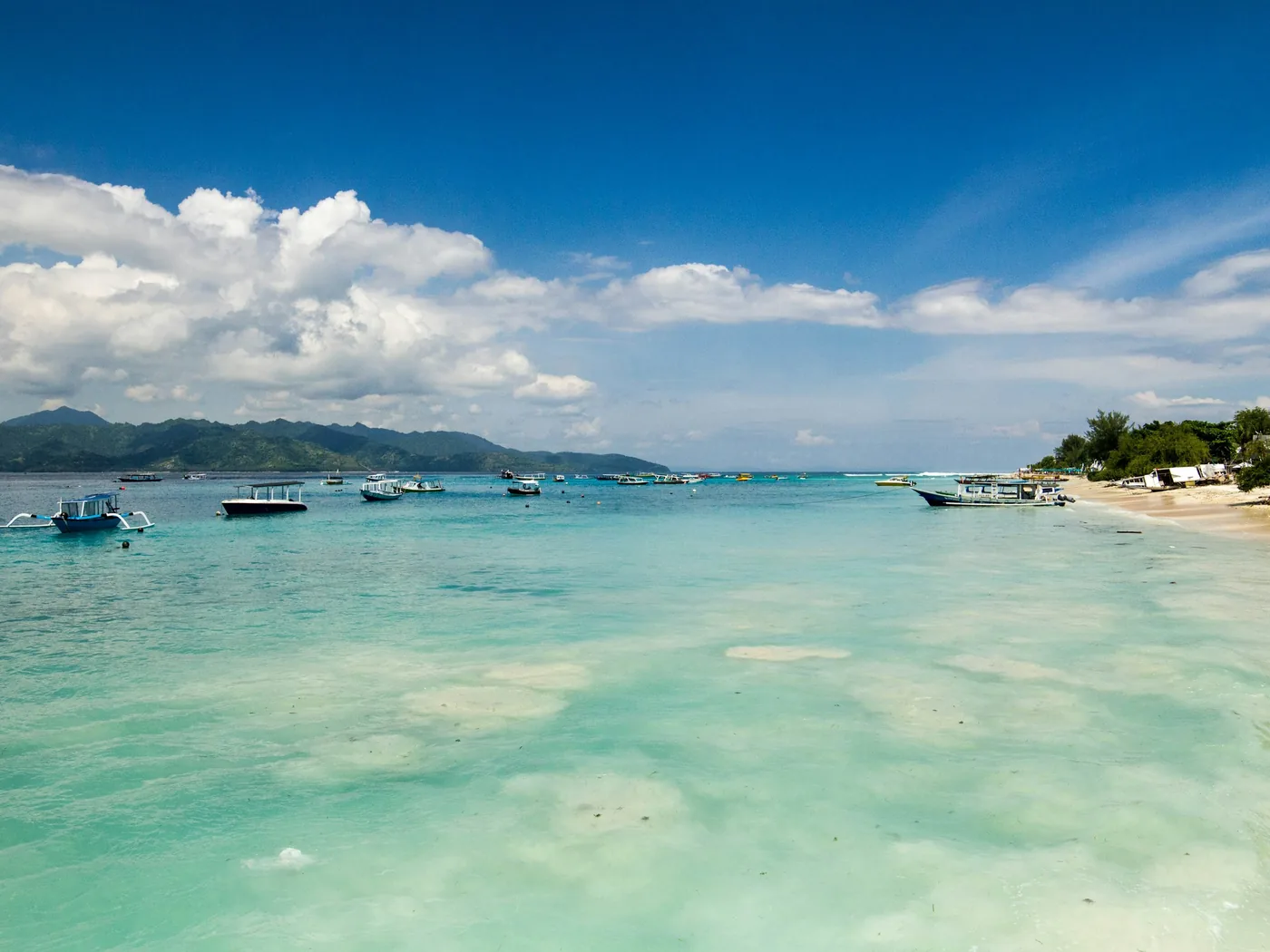
Turtles, coral and the clear, warm water the islands are known for.
Dive options & what's included
Dive options & what's included
| Option | What it includes | Good to know |
|---|---|---|
| Discover Scuba (try dive) | Briefing, skills session and a guided ocean dive with an instructor | The perfect first dive — no experience or certification required |
| Two-dive try day | The above plus a second guided dive the same day | Great value if the first dive leaves you wanting more |
| PADI Open Water course | A multi-day course ending in a recognised diving certification | For those who want to dive independently, worldwide, afterwards |
| Fun dives (certified) | Guided dives for already-certified divers | Not for beginners — you'll need a licence and a logbook |
Ways to book a dive
Find a Gili Islands dive for your dates
Every try dive and course here books through GetYourGuide — check live spots across Trawangan, Meno and Air, with your price locked in before checkout.
Planning your dive
Planning your dive
Try dive or full course?
If you just want to experience diving once, a Discover Scuba 'try dive' is ideal — a guided first dive with no certification. If you think you'll dive again, an Open Water course over a few days earns a licence to dive worldwide and often works out better value per dive. Inclusions differ between options, so check exactly what each one covers before you book.
Health and comfort in water
You should be reasonably comfortable in water and in good general health. Diving has some medical contraindications (certain heart, lung, ear or sinus conditions, and recent surgery), so you'll complete a short medical questionnaire, and some conditions need a doctor's sign-off. Don't dive with a cold, and don't fly for 18–24 hours after diving.
What to bring
The dive centre supplies all the gear — wetsuit, mask, fins, tank and buoyancy jacket. Bring a swimsuit, a towel, sunscreen (reef-safe if you can), water and any personal medication. If you wear glasses, contact lenses work fine under a mask, or ask about prescription masks.
When to go
Diving is good year-round in the Gilis, with the driest, calmest conditions roughly May to September and the best visibility often in the dry season. Turtles are around all year. Book ahead in the peak months, when the reputable centres and their small groups fill quickly.
Booking flexibility
Cancel free within 24 hours of your dive — that's the norm on most of these listings — and quite a few also hold your spot without charging you until nearer the date, useful if a late ferry or a rough Lombok Strait crossing rearranges your island-hopping schedule. Rules differ operator to operator, so check the listing itself before you book.
Planning a Gili Islands dive trip
Planning a Gili Islands dive trip
Your first scuba dive in the Gili Islands
How a Discover Scuba dive compares with an Open Water course, what you'll see on the Gili reefs, which of the three islands suits you, and the health and safety basics worth knowing.
Read more →Gili Islands Marine Life: Turtles, Reefs & Dive Sites
Read more →Learning to Dive on the Gili Islands: A Course Guide
Read more →Trawangan vs Meno vs Air: Which Gili for Diving
Read more →Coral Conservation & Biorock Reefs in the Gili Islands
Read more →Getting to the Gili Islands & Planning a Dive Trip
Read more →FAQ
Scuba diving in the Gilis — your questions
Do I need experience or a certification to dive?
No. A 'Discover Scuba' dive is designed for complete beginners: after a short briefing and a confined-water skills session, a qualified instructor takes you on a real but shallow ocean dive and stays with you throughout. You don't need any prior experience or a diving licence — just to be reasonably comfortable in water and in good general health.
What will I see on the reef?
The Gili Islands are famous for sea turtles — green and hawksbill turtles are common on the reefs, and seeing one on your first dive is more the rule than the exception. You'll also spot colourful reef fish, coral, and often cuttlefish, moray eels and the occasional harmless blacktip reef shark. It's one of the best beginner reefs in Southeast Asia.
How deep will I go, and how long is the dive?
A Discover Scuba ocean dive is shallow — usually to around 12 metres — and the underwater time is typically about 30–40 minutes, with an instructor managing your depth and air the whole way. The full experience, including the briefing and skills session, takes a few hours.
Is it safe?
Diving is very safe when done with a professional centre and instructor, which is exactly how these dives run — small groups, one instructor staying with you, and all the gear checked before you enter the water. You'll answer a short medical questionnaire first, since a few health conditions need care or a doctor's approval. Follow the instructor and the basic rules and the risk is low.
Should I do a try dive or a full course?
If you want to experience diving once, a Discover Scuba try dive is perfect. If you think you'll dive again, a PADI Open Water course (usually a few days) earns a certification that lets you dive independently around the world, and often costs less per dive. The Gilis are a popular, well-priced place to get certified.
What should I bring, and any health notes?
The centre provides all the gear; bring a swimsuit, towel, reef-safe sunscreen, water and any medication. Contact lenses work under a mask. Don't dive with a cold or blocked sinuses, avoid alcohol beforehand, and don't fly for 18–24 hours after diving. If you have heart, lung or ear conditions, check the medical questionnaire — some need a doctor's sign-off.
Can I book with free cancellation?
Usually, yes. Most Gili dive and course options on GetYourGuide allow free cancellation up to 24 hours before your dive, and many offer reserve-now-pay-later — handy given how ferries and weather can shift plans between the three islands. Confirm the exact terms on your chosen listing first.